Saving money is important for financial security and freedom, but it can be challenging to know where to start. Here are 10 things you can do to save money and improve your financial well-being.
Create a Budget
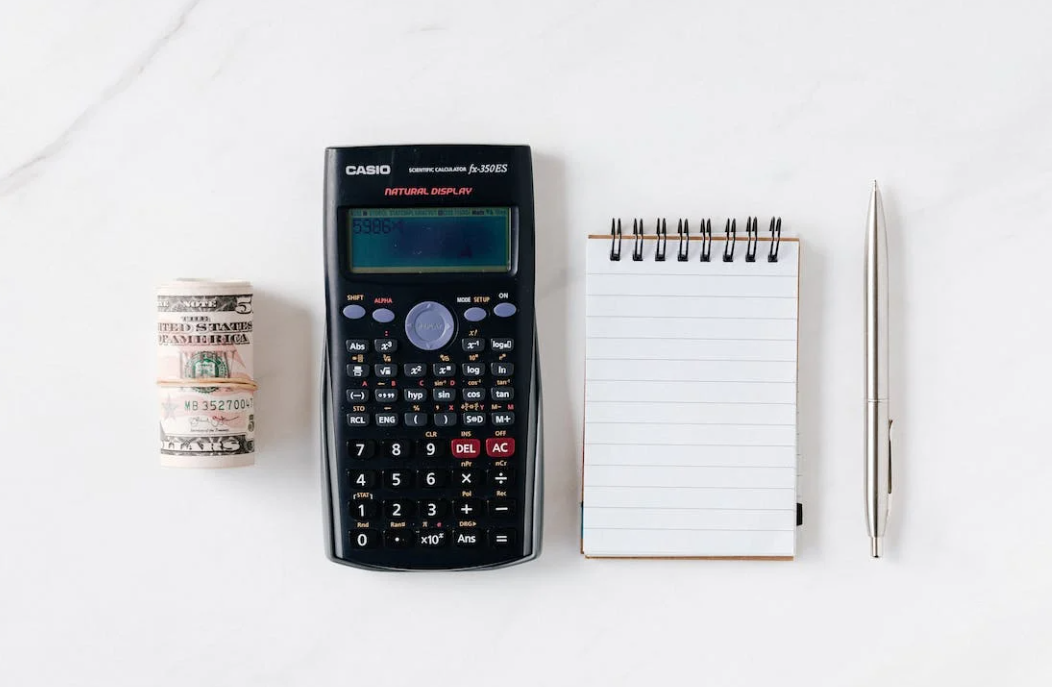
The first step in saving money is to create a budget. A budget helps you track your income and expenses, so you can see where your money is going and identify areas where you can cut back. Start by listing all your sources of income and your regular expenses, such as rent/mortgage, utilities, and groceries. Then, identify areas where you can reduce your spending, such as eating out less, canceling subscriptions you don’t use, or finding ways to reduce your utility bills.
Automate Your Savings
Automating your savings is an easy way to save money without even thinking about it. Many banks and financial institutions offer the option to set up automatic transfers from your checking account to your savings account on a regular basis. This way, a portion of your income goes directly to savings before you have a chance to spend it.
Shop Smart
Shopping smart is another way to save money. Start by creating a shopping list before you go to the store and stick to it. Avoid impulse purchases, and look for deals and discounts on items you need. Consider using coupons or signing up for loyalty programs to save even more.
Cook at Home
Eating out can be expensive, so cooking at home is a great way to save money. Plan your meals ahead of time, so you know exactly what you need to buy at the grocery store. Look for recipes that are easy to make and use affordable ingredients. You can also meal prep, so you have meals ready to go throughout the week.
Use Cash
Using cash instead of credit or debit cards can help you avoid overspending and stay within your budget. Try using cash for purchases like groceries and gas, and you may be surprised by how much you are able to save.
Cut Back on Utilities
Reducing your utility bills can also help you save money. Consider turning off lights when you leave a room, using energy-efficient appliances, and lowering your thermostat a few degrees in the winter. Small changes like these can add up to significant savings over time.
Cancel Unused Subscriptions
Canceling subscriptions you don’t use is an easy way to save money. Take a look at your monthly subscriptions, such as streaming services, gym memberships, or magazine subscriptions, and determine which ones you actually use. Cancel any that you don’t use regularly.
Buy Used
Buying used items can also help you save money. Consider shopping at thrift stores, consignment shops, or online marketplaces to find gently used clothing, furniture, and other items. You can also look for refurbished electronics or appliances, which are often significantly cheaper than brand new items.
Avoid Credit Card Debt
Credit card debt can be a major drain on your finances. If you have credit card debt, focus on paying it off as quickly as possible. Avoid using credit cards for purchases you can’t afford to pay off in full each month, and consider a balance transfer card with a low or zero percent interest rate to consolidate and pay off debt.
Use Free Resources
Finally, take advantage of free resources to save money. This could include borrowing books from the library instead of buying them, using free online resources for education or entertainment, or taking advantage of community resources like parks and recreation centers.
In conclusion, there are many things you can do to save money and improve your financial well-being. From creating a budget and automating your savings to shopping smart and using free resources, taking small steps to save money can add up to significant savings over time. With a little bit of effort and discipline, you can make a big difference in your financial future. Start by identifying areas where you can cut back and set achievable goals for yourself. With dedication and perseverance, you can achieve your financial goals and build a secure and prosperous future for yourself and your family.
Remember, saving money is not about depriving yourself of the things you enjoy, but rather about being intentional with your spending and finding ways to cut back on unnecessary expenses. By making smart choices and prioritizing your financial goals, you can create a budget that works for you and start building a brighter financial future today.
In summary, here are the 10 things you can do to save money:
- Create a budget
- Automate your savings
- Shop smart
- Cook at home
- Use cash
- Cut back on utilities
- Cancel unused subscriptions
- Buy used
- Avoid credit card debt
- Use free resources
Implementing these strategies may take some effort and discipline, but the long-term benefits of saving money are well worth it. By taking control of your finances and building good habits, you can create a more secure and prosperous future for yourself and your loved ones.